
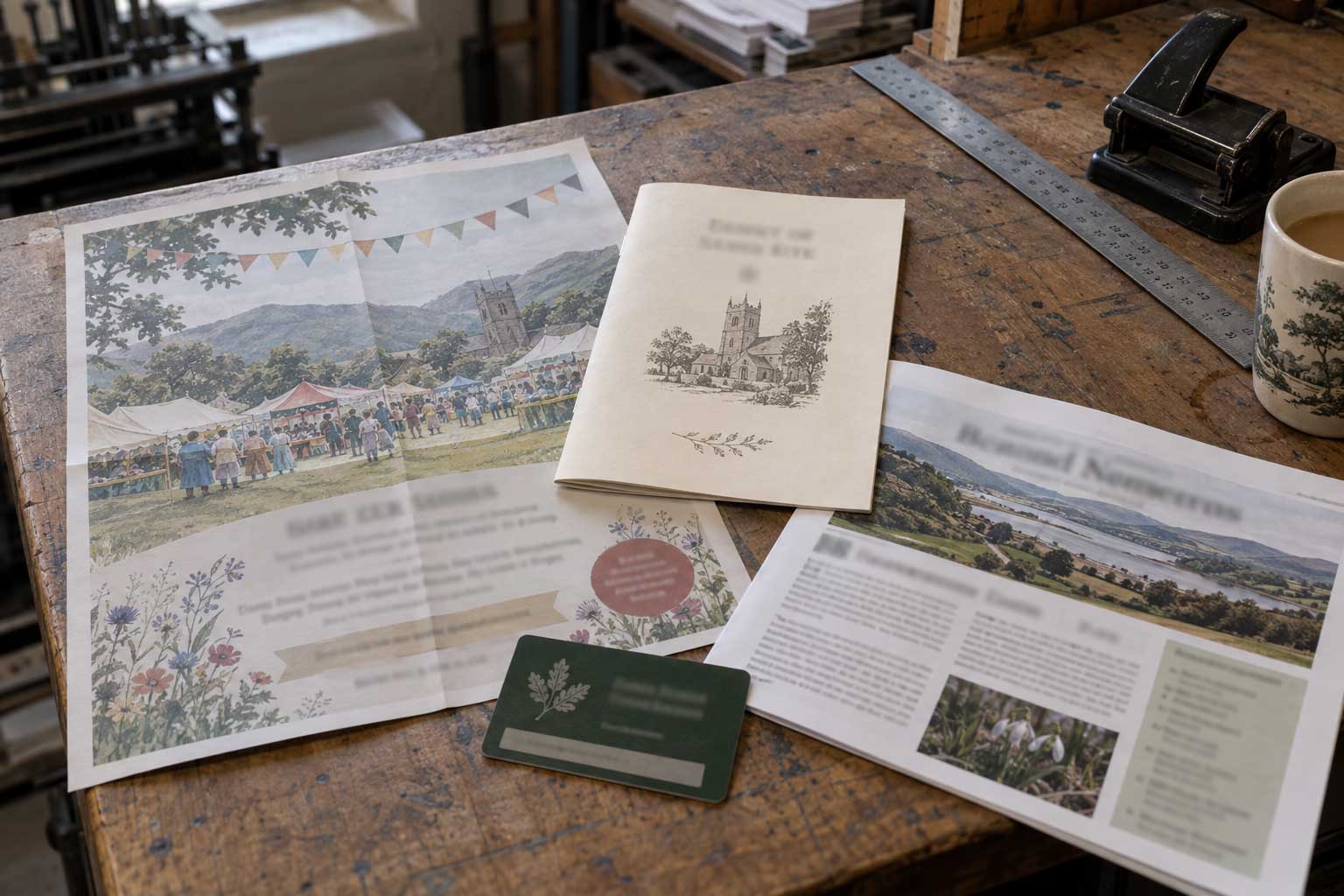
Community groups and small charities across North Wales run on quiet hard work, thin budgets, and a lot of volunteer time. Their printing needs are real (posters for a fundraiser, order of service for a chapel, membership cards for a sailing club, an appeal letter to members) but their budgets rarely stretch to what a commercial marketing team would spend on the same job.
We work with a lot of these organisations at our works in Llangefni. Chapels, sports clubs, agricultural societies, community councils, hospice charities, sailing clubs, choirs, schools, food banks, and youth groups. What follows is what we tell coordinators and secretaries when they're planning a print run and want it done well without spending more than they need to.
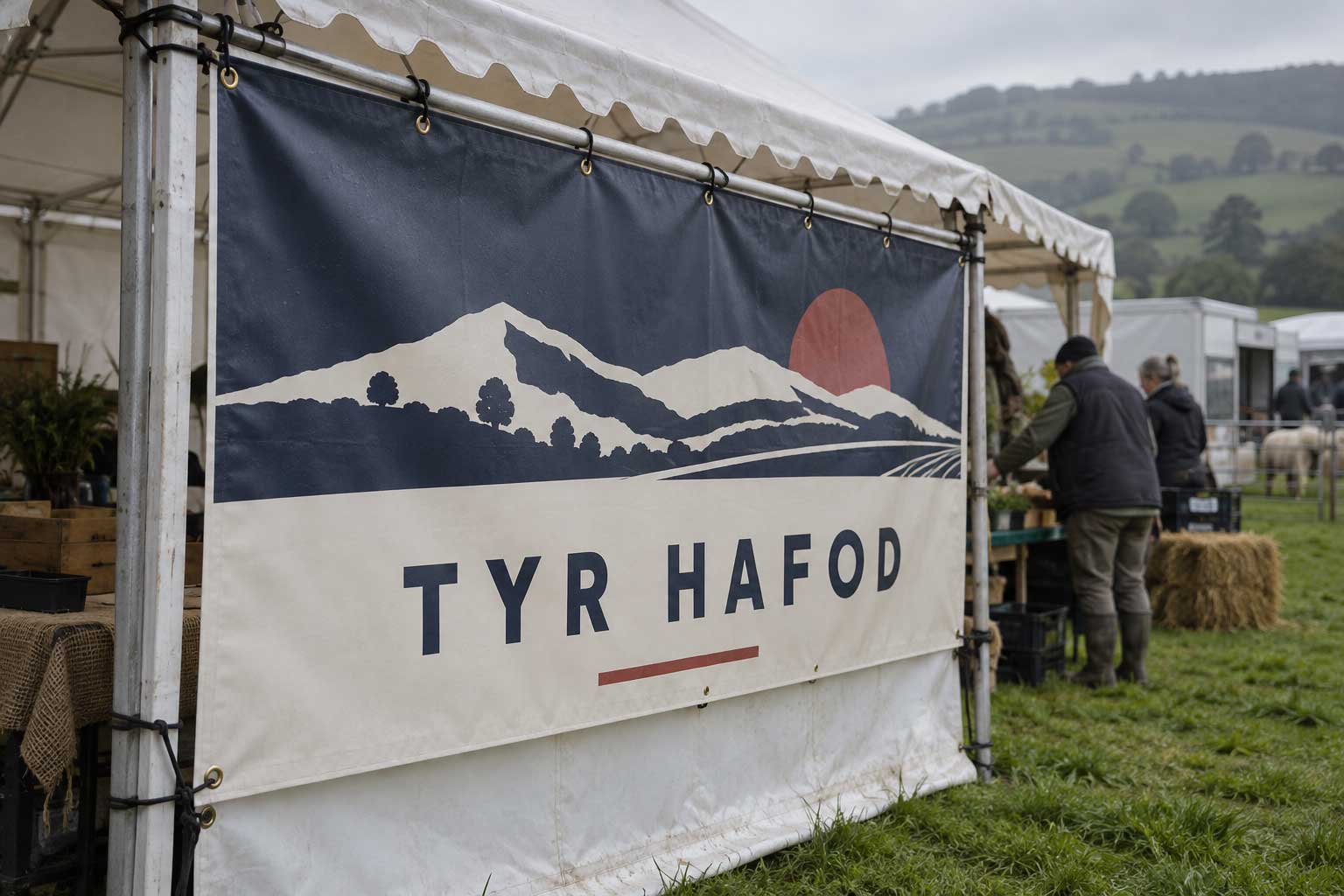
An outdoor event, especially a summer one on the North Wales coast, puts print through more than most posters ever encounter indoors. Wind, rain, salt, sun, and the occasional curious sheep. If the design won't survive the day, it doesn't matter how nice it looked in the office.
We print for a lot of outdoor events at our works in Llangefni. Agricultural shows, food festivals, sailing regattas, sports days, town-centre events, community fetes, wedding marquees. What we've learned is that most of the choices happen a couple of weeks before the event, and the ones that matter aren't always the obvious ones. Here's what we'd think through with you at the quote stage.